
By the middle of 2026 Jason Day has won more than $66 million (about £52 million at mid-2026 exchange rates) in official PGA Tour prize money, enough to sit 11th on the tour's all-time money list. That is the one figure you can actually stand behind. His “net worth”, the number search engines keep asking about, is a different and softer story: smaller after tax and expenses, bigger once endorsements are counted, and ultimately an estimate. Here is what we can verify about the former World No. 1's fortune, and why the rest is guesswork.
Jason Day net worth 2026: start with the number that is actually verified
Most “celebrity net worth” pieces lead with a guess. We will start with a receipt instead. The PGA Tour publishes every player's career prize money, and its official career earnings page lists Day at $66,692,017, recorded “through the U.S. Open” in mid-June 2026. On the tour's all-time money leaders list that total places him 11th in history, narrowly ahead of fellow major winner Hideki Matsuyama.
Be precise about what that money is, though. “Official money” counts prize cheques from PGA Tour events only. It does not include endorsement income, appearance fees or anything he has won on other tours, and it is a gross figure. That total sits before tax, before his caddie's cut, and before the travel, coaching and physiotherapy bills that a back like his runs up. So the $66m is a floor for what golf has paid him, not a readout of his bank balance.
| Jason Day — at a glance | |
|---|---|
| Official PGA Tour career earnings | $66,692,017 (~£52m), through the 2026 U.S. Open |
| All-time PGA Tour money rank | 11th |
| Majors won | 1 — the 2015 PGA Championship |
| Weeks at World No. 1 | 51 (first reached 20 September 2015) |
| Born | 12 November 1987, Beaudesert, Queensland, Australia (age 38) |
| Current apparel brand | Malbon Golf |
| Latest result | Withdrew from the 2026 U.S. Open (round 1, back injury) |
Why Jason Day is back in the headlines
The immediate trigger is a setback, not a triumph. At the 2026 U.S. Open at Shinnecock Hills, Day withdrew during the first round with a back injury, grimacing and grabbing his back before being carted to the clubhouse. For a player who had spent the season talking up a “full-stride” return, it was a blunt reminder that the chronic back problems which have dogged his career have not gone away.
That setback lands against a more hopeful backdrop, which is what keeps his name circulating. Earlier in 2026 he made the cut at the Masters, his 15th start at Augusta, with rounds of 69 and 71; he already owns five top-10 finishes there, including a runner-up from 2011. He had told Golf Channel, ahead of his return at the Bank of Utah Championship, about new equipment and renewed ambition. His switch to the streetwear-leaning label Malbon Golf, and the loud “Birds of Georgia” outfits he wore at the Masters, have kept him circulating in fashion feeds as much as golf ones. A former World No. 1 chasing his old form, then pulling out injured at a major, is exactly the kind of story that sends people searching.
How the fortune was built
The bedrock is one extraordinary stretch. In 2015 Day finally converted years of near-misses into a major, winning the PGA Championship at Whistling Straits, still his only major title. Weeks later, on 20 September 2015, he reached World No. 1 for the first time, and he would spend 51 weeks at the top of the world ranking in all. That run, plus more than a dozen PGA Tour titles across his career, is where the bulk of that $66m was earned.
Prize money is not the whole picture, though. For a player of his stature, sponsorship matters just as much. Day signed a high-profile apparel and footwear deal with Nike in the mid-2010s during his time at No. 1, and has more recently fronted Malbon Golf, the lifestyle brand now tied to his on-course image. Exact contract values for golf apparel deals are rarely disclosed, so treat any specific endorsement figure with caution. For a major champion and former World No. 1, though, sponsorship has likely been a major income stream alongside his winnings.
The $66m is what golf has paid Jason Day to play. His net worth is that, minus tax and a career's expenses, plus endorsements, and that is why no single tidy number tells the whole story.
So what is Jason Day actually worth?
Here is the honest answer: nobody outside his accountant knows precisely, and you should be wary of anyone who claims to. Celebrity net-worth aggregators tend to peg him somewhere in the tens of millions, with figures in the $40–50m range getting quoted. Those sites rarely show audited workings, though, and their numbers shift between updates. They are rough guesses built on his known prize money plus a stab at endorsements, not statements of fact.
What we can say with confidence is bounded by the verifiable parts. Golf has paid him more than $66m in gross prize money. A meaningful slice of that goes to tax (touring pros are taxed across multiple jurisdictions, often heavily) and to the running costs of competing week to week. Endorsements push the total back up. Net the two against each other and you land at “tens of millions”, which is as tight as the maths honestly allows.
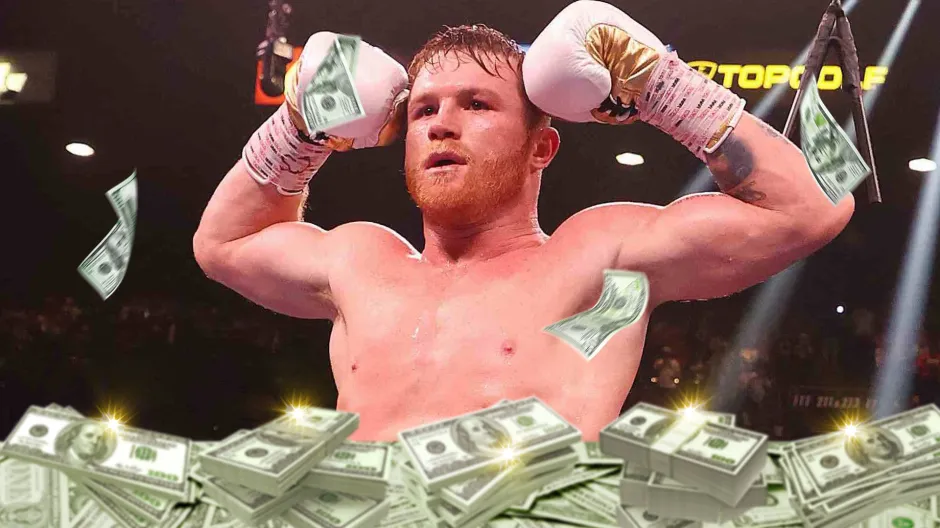
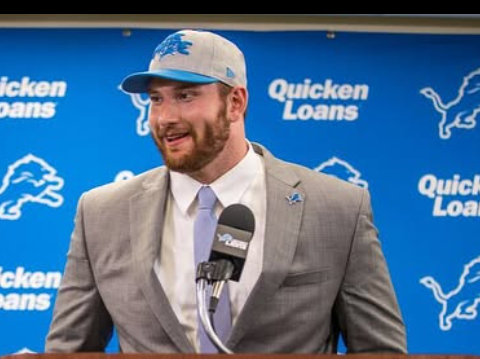
For context, that kind of haul sits alongside the other sports-money stories in our archive, from boxing's Canelo Álvarez to footballer Dejan Kulusevski. And as this week's withdrawal underlines, much like careers cut short by injury, an athlete's fortune is shaped as much by health and longevity as by talent.
That last point is the one to watch. Day is 38, sits 11th on the all-time money list, and clearly still wants to compete. But this week's withdrawal is a reminder that his body, not his talent, is the variable now. Whether the verified part of his fortune, the only part worth quoting with a straight face, keeps climbing depends on whether his back lets him play.