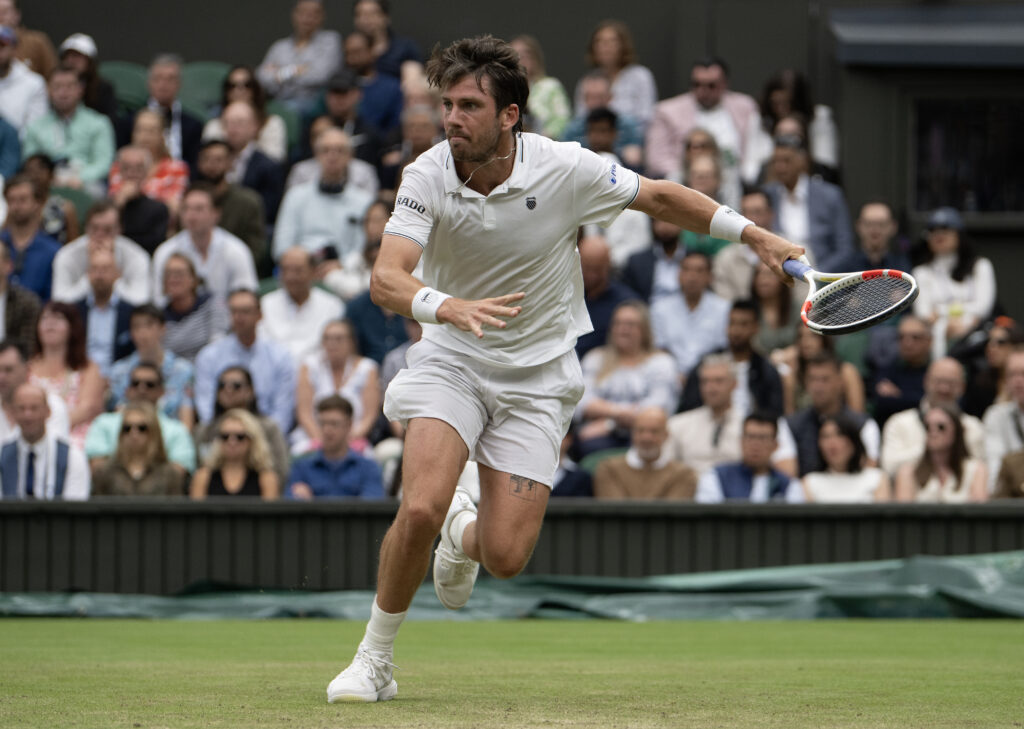

Wimbledon prize money for 2026 reached a record £64.2 million, with the men's and women's singles champions each earning £3.6 million — a 20% jump on last year. Even a player who lost in the first round banked £80,000. Here is exactly what every place at the All England Club was worth this summer.
A record £64.2m pot
The total prize fund for the 2026 Championships is £64.2 million, up 20% from the £53.5 million paid out in 2025. It is the largest purse in the tournament's history, and it keeps Wimbledon's long-standing promise of equal pay: the women's and men's singles winners take home the same figure, as they have every year since 2007.
For the two singles champions, that means £3,600,000 each — £600,000 more than a year ago. The runner-up cheque has climbed to £1.8 million. But the eye-catching story is lower down the draw, where the increases are steepest and where the money genuinely changes careers.
Singles prize money, round by round
Here is the full breakdown for the men's and women's singles draws, with the rise on 2025 alongside each figure.
| Result | Prize (£) | Change vs 2025 |
|---|---|---|
| Champion | £3,600,000 | +20% |
| Runner-up | £1,800,000 | +18% |
| Semi-finalists | £900,000 | +16% |
| Quarter-finalists | £480,000 | +20% |
| Fourth round | £300,000 | +25% |
| Third round | £185,000 | +23% |
| Second round | £126,000 | +26% |
| First round | £80,000 | +21% |
Across all the singles rounds, payouts are on average around 22% higher than in 2025, according to the Lawn Tennis Association. The All England Club has weighted the biggest percentage rises toward the early rounds, where prize money matters most to players outside the world's top 30.
Why £80,000 for a first-round loss is the real story
Lift the trophy and £3.6m is a headline, not a surprise. The figure that reshapes the tour is at the bottom: £80,000 for a single first-round appearance, up more than 21% in a year. For a player ranked outside the top 100, whose season is a running battle against coaching, travel and physio bills, one Wimbledon main-draw match can cover months of costs.
It reaches further still. The qualifying competition — three rounds played the week before at Roehampton — now shares £6.2 million, a 25% increase. Reaching the main draw has become one of the most valuable single results in the sport for lower-ranked professionals, which is part of why the All England Club has pushed those numbers up fastest.
Doubles and mixed doubles
The doubles draws are where a fortnight's work is split two ways, but the cheques are still substantial.
- Men's and women's doubles champions: £760,000 per pair (£380,000 each), with runners-up sharing £380,000.
- Mixed doubles champions: £148,000 per pair, with runners-up on £74,000.
It is a reminder that a specialist doubles player who never troubles the singles seeds can still build a serious income across a career of deep runs at the majors.
How it stacks up against other sport
A £3.6m payday for two weeks puts a Wimbledon title among the richest individual prizes in sport. For context, it dwarfs the winner's share most golfers collect at a single major, and it lands in a summer where prize pots are ballooning across the board — the expanded FIFA World Cup 2026 prize money has rewritten the record books in football too.
Prize money is also only one slice of a top player's earnings. The biggest names make far more from endorsements than from tournament cheques, which is why career fortunes for the elite run into the tens of millions — as our looks at Jannik Sinner's net worth and Britain's own Cameron Norrie show.
The tax reality behind the headline
That £3.6m is a gross figure, not a take-home one. Overseas players are taxed by HMRC on the money they earn in the UK, and — under long-standing rules for non-resident sportspeople — on a proportion of their worldwide endorsement income tied to the time they spend competing here. Agents, coaches and support staff are paid out of the same pot before anything reaches a player's own account.
None of that makes the prize money less real. It just means the number on the cheque and the number that lands in the bank are rarely the same — a gap that applies to almost every big sporting payday.
Why some players still say it is not enough
Even at a record £64.2m, the prize fund is a modest share of what the Championships generate. Reports put player prize money at roughly 15% of the tournament's revenue, and leading players have publicly argued the Grand Slams should hand a bigger slice — closer to 20% or more — to the people on court. The All England Club, for its part, frames the 2026 rise as recognition of the tournament's success within what it calls a sustainable programme.
That tension — record cheques on one side, a revenue-share fight on the other — is likely to shape the sport's finances long after this year's champions have lifted the trophies. For now, the maths is simple: win seven matches at SW19 and you are £3.6 million richer.
Wimbledon prize money 2026 at a glance
| Category | Figure |
|---|---|
| Total prize fund | £64.2m (record, +20%) |
| Singles champion (each) | £3.6m |
| Singles runner-up | £1.8m |
| First-round loser | £80,000 |
| Doubles champions (pair) | £760,000 |
| Mixed doubles champions (pair) | £148,000 |
Prize money figures are as published by the All England Lawn Tennis Club and cross-checked against the LTA and the ATP Tour. Currency conversions and player earnings elsewhere are estimates and can change.